Addressing Sciatica: Non-Invasive Solutions for Long-Term Relief
Understanding Sciatica
Sciatica is a condition characterized by pain radiating along the sciatic nerve, which extends from the lower back down to the legs. This discomfort can be debilitating, affecting daily activities and quality of life. Understanding the root causes and symptoms is crucial for finding effective relief.
The most common causes of sciatica include herniated discs, spinal stenosis, and piriformis syndrome. Symptoms can range from mild tingling to severe shooting pain, often affecting one side of the body.

Physical Therapy: A Key Component
Physical therapy plays a significant role in managing sciatica. Through targeted exercises and stretches, physical therapy aims to alleviate pressure on the sciatic nerve and strengthen the muscles supporting the spine. A personalized therapy plan can enhance flexibility, reduce inflammation, and improve posture.
Some effective exercises include hamstring stretches, pelvic tilts, and gentle yoga poses. Consistency is key, and working with a professional can ensure the exercises are performed safely and effectively.

Chiropractic Care
Chiropractic care offers another non-invasive solution for sciatica. Chiropractors use spinal adjustments to realign the spine, which can relieve nerve pressure and reduce pain. Regular sessions can enhance mobility and prevent future flare-ups.
Many patients find chiropractic adjustments to be a natural and effective way to manage their symptoms without relying on medication.
Acupuncture: An Ancient Approach
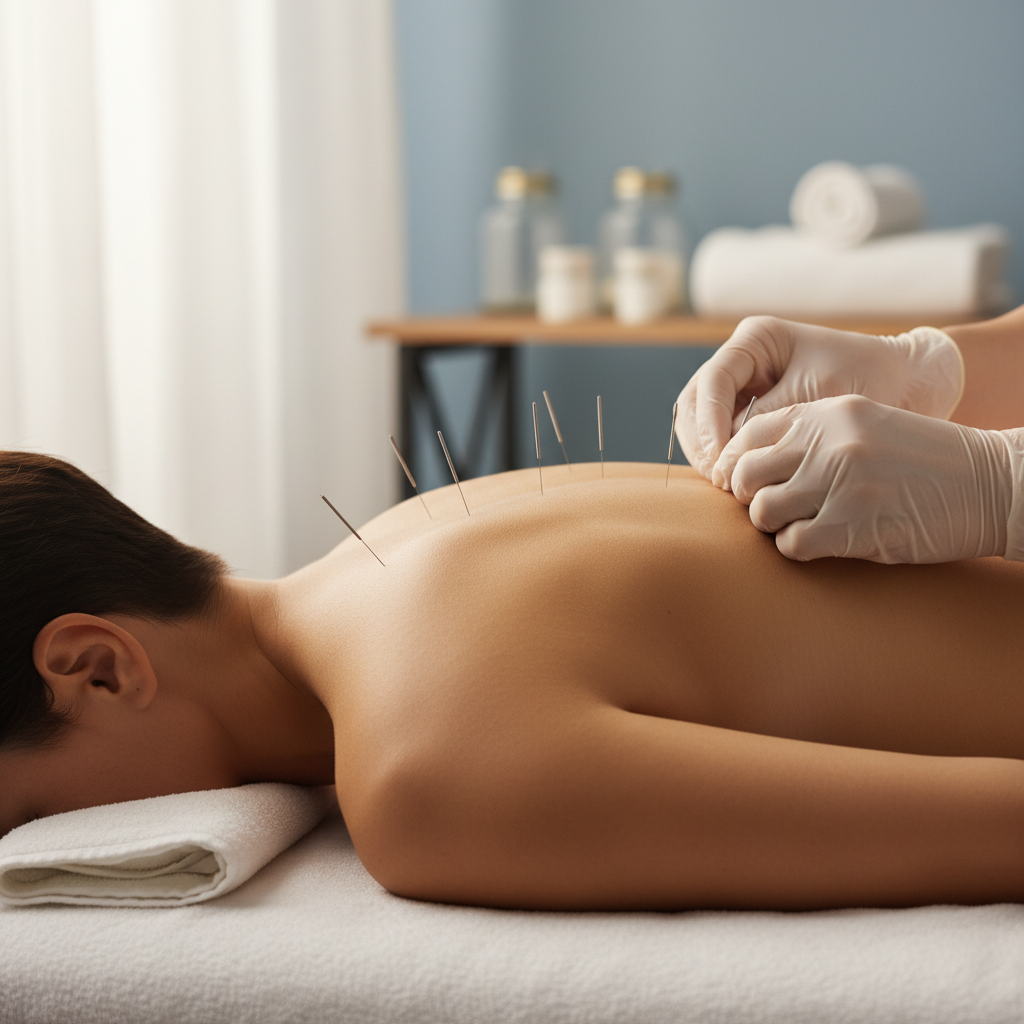
Acupuncture, an ancient Chinese practice, is gaining popularity as a treatment for sciatica. By inserting thin needles at specific points on the body, acupuncture aims to balance energy flow and stimulate the body's natural healing processes.
Research suggests that acupuncture can reduce pain intensity and improve function, offering a holistic approach to sciatica relief.
Mind-Body Techniques
Incorporating mind-body techniques such as meditation, mindfulness, and deep breathing can significantly aid in managing sciatica pain. These practices help reduce stress, which can exacerbate pain symptoms.
Regular practice of these techniques can lead to improved mental health, which is closely linked to physical well-being.
Conclusion: A Comprehensive Approach
Addressing sciatica effectively requires a comprehensive approach that combines various non-invasive treatments. By understanding the condition and exploring different therapies, individuals can find long-term relief and improve their quality of life.
If you're struggling with sciatica, consider consulting with healthcare professionals to develop a personalized treatment plan that suits your specific needs. Taking proactive steps can lead to a pain-free future.