Understanding Sciatica: Causes, Symptoms, and Treatment Options
Understanding Sciatica
Sciatica is a condition characterized by pain radiating along the path of the sciatic nerve, which extends from the lower back through the hips and down each leg. This condition is often misunderstood and can significantly impact daily life. Understanding its causes, symptoms, and treatment options is crucial for effective management.
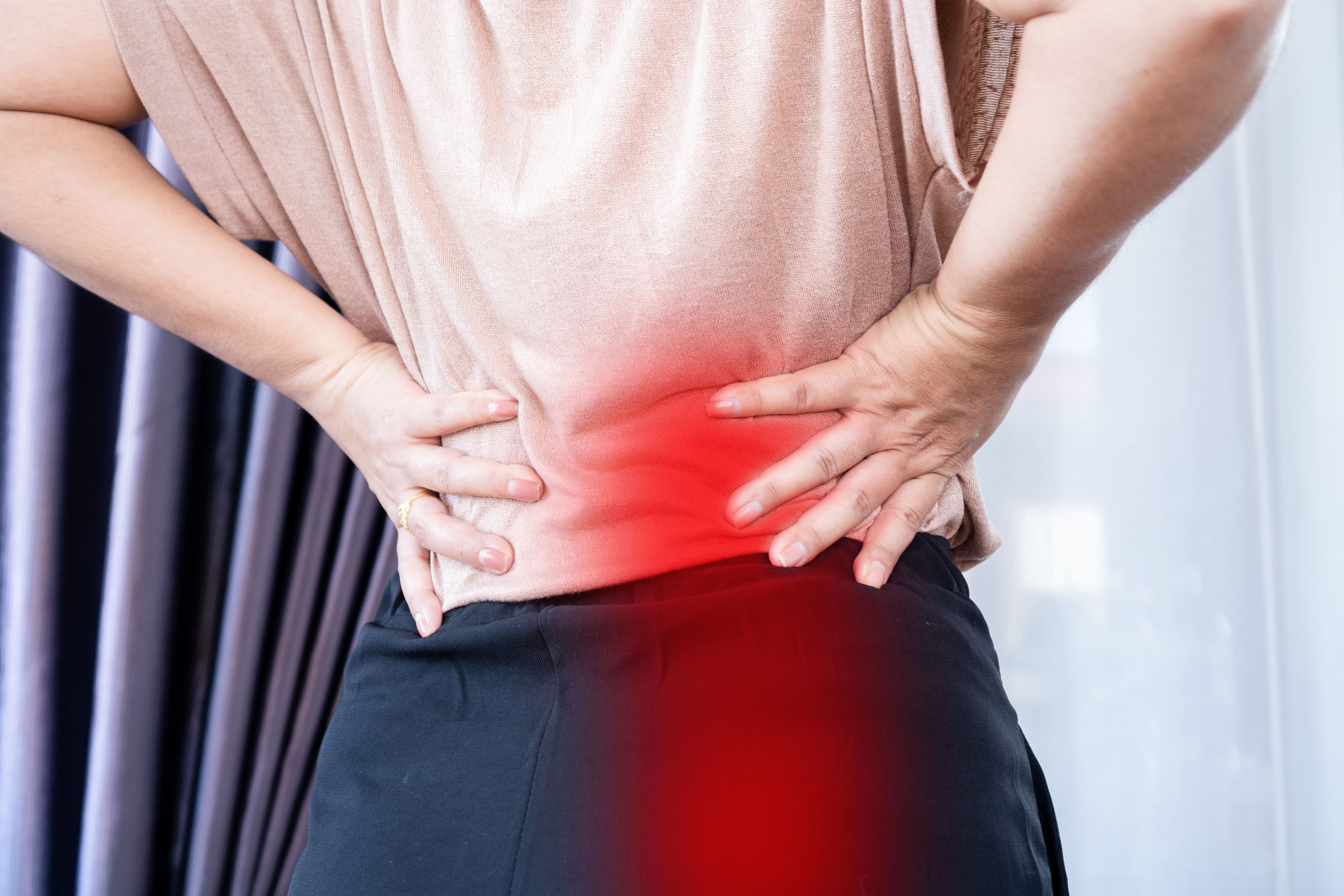
Causes of Sciatica
Several factors can cause sciatica, including:
- Herniated Disc: A common cause, where the disc presses on the sciatic nerve.
- Spinal Stenosis: Narrowing of the spinal canal can compress the nerve.
- Degenerative Disc Disease: Disc wear and tear over time can lead to nerve irritation.
- Injury: Trauma to the spine or nerve can result in sciatica.
Understanding these causes helps in diagnosing and developing targeted treatment plans.
Recognizing the Symptoms
Sciatica often presents with a set of distinct symptoms that vary in intensity. The most common symptoms include:
- Sharp pain in the lower back, buttocks, and down the leg.
- Numbness or tingling sensations in the leg or foot.
- Weakness in the affected leg.
- Difficulty in moving or controlling the leg.
Recognizing these symptoms early can lead to more effective treatment and relief.
Treatment Options
Treating sciatica involves a combination of self-care and medical interventions. Some common treatment options include:
- Physical Therapy: Exercises to improve posture and strengthen muscles.
- Medications: Anti-inflammatories and pain relievers can help manage symptoms.
- Alternative Therapies: Acupuncture and chiropractic care may offer relief.
- Surgery: In severe cases, surgical intervention may be required.
Consulting with a healthcare professional is important for tailoring the treatment to individual needs.
Preventing Sciatica
Prevention strategies can significantly reduce the risk of developing sciatica. These include:
- Maintaining good posture.
- Regular exercise to strengthen the back and core muscles.
- Proper lifting techniques to avoid strain.
- Maintaining a healthy weight to reduce pressure on the spine.
By incorporating these habits, individuals can minimize their chances of experiencing sciatica.
Conclusion
Sciatica can be a debilitating condition, but understanding its causes, recognizing symptoms, and exploring treatment options can lead to effective management and relief. By staying informed and proactive, individuals can take control of their sciatica and improve their quality of life.